

Winter slows activity on the lake. Boats stay stored. Water traffic stops. Your dock rests in place or sits stacked on shore. This pause gives you clear visibility into dock condition without daily use masking wear.
Off-season dock maintenance focuses on inspection, planning, and preparation. Addressing issues during winter reduces spring delays and lowers repair pressure once installation season begins. A structured approach keeps your dock reliable and safe when the water opens.
Below is a detailed winter dock care checklist built for Alberta lake conditions.
Complete a Structural Dock Inspection
Cold temperatures and ice movement place stress on dock frames. Winter inspection highlights issues that stay harder to see during summer use.
Walk through each dock section slowly. Look at the frame from multiple angles.
Inspect for:
- Frame sag or twisting
- Bent cross-members
- Cracked welds
- Surface corrosion
- Loose or missing fasteners
Aluminum docks handle moisture well but still show fatigue at joints and connection points. Any visible movement during the season points to alignment issues that need correction before spring install.
Take photos and notes. Year-over-year comparison helps spot progressive damage early.
Examine Decking and Walking Surfaces
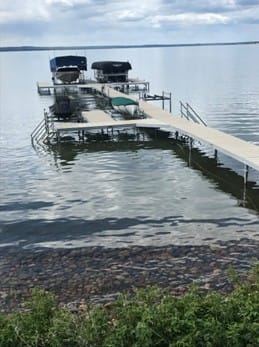
Decking supports daily foot traffic, equipment, and furniture. Winter inspection focuses on surface integrity and fastening strength.
Check for:
- Split or cracked boards
- Warping at board ends
- Soft areas under foot pressure
- Fasteners backing out or pulling through
Composite decking resists rot but shifts during freeze-thaw cycles. Wood decking dries over winter and may show new cracking. Replacing damaged boards during winter planning avoids rushed spring repairs.
Record board sizes and quantities needed. Ordering early reduces delays once installation schedules fill.
Inspect Hardware, Hinges, and Connection Points
Dock hardware absorbs constant motion during the season. Hinges flex. Bolts loosen. Pins wear unevenly.
Inspect every connection:
- Shore hinges
- Section couplers
- Pivot brackets
- Leg sockets
Rotate bolts by hand. Grinding or resistance signals corrosion or thread wear. Replace damaged hardware with marine-grade fasteners rated for freshwater exposure.
Hardware inspection reduces safety risks and protects surrounding dock sections from secondary damage.
Review Dock Legs, Wheels, and Float Systems
Support systems carry the full dock load. Winter inspection helps prevent alignment problems during spring setup.
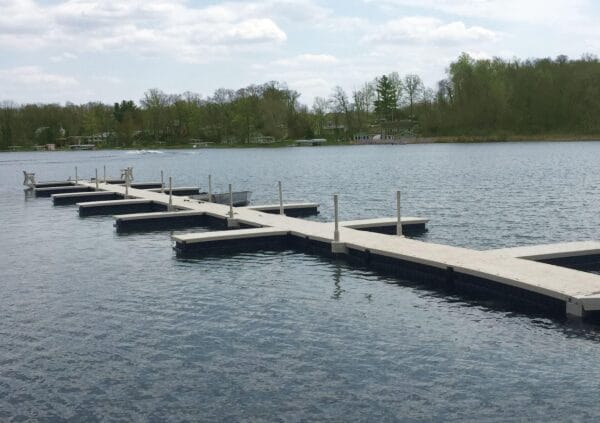
For standing docks:
- Check legs for bends or cracks
- Inspect height adjustment threads
- Examine foot pads for wear
For roll-in docks:
- Inspect wheel treads
- Confirm axle straightness
- Test locking pins
For floating docks:
- Inspect floats for punctures
- Look for shape distortion
- Confirm secure float mounting
Ice pressure affects support systems differently. Addressing wear now avoids unstable dock placement later.
Clean Dock Sections Before Storage
Cleaning protects materials and improves spring setup efficiency.
Remove:
- Algae residue
- Sand and gravel
- Plant debris
- Bird droppings
Use mild soap and water. Avoid harsh cleaners that damage finishes or composite surfaces.
Store dock sections off the ground where possible. Elevation improves airflow and reduces moisture exposure. Cover components loosely to prevent trapped condensation.
Proper storage extends material lifespan and preserves appearance.
Inspect Boat Lifts and Mechanical Components

Boat lifts often see less attention during winter planning. These systems require the same level of inspection.
For boat lifts:
- Inspect cables for fraying
- Check pulleys for smooth rotation
- Inspect motors and wiring
- Test switches and limit stops
Replace worn cables before spring. Cable failure risks damage to boats and lift frames. Winter planning allows correct sizing and scheduling without pressure.
Assess Dock Accessories and Add-Ons
Accessories affect dock usability and safety. Winter gives time to assess performance based on last season’s use.
Inspect:
- Ladders and stairs
- Dock edging and bumpers
- Cleats and tie-off points
- Solar or wired lighting
Replace loose or damaged accessories early. Planning upgrades during winter improves availability once installation season begins.
Prepare Your Dock for a Smooth Spring Return
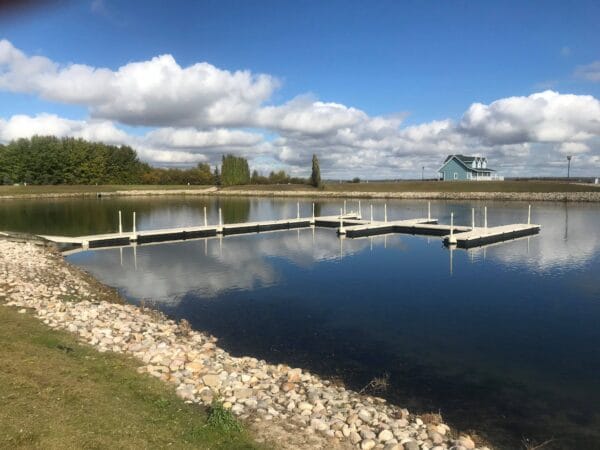
Off-season dock maintenance sets the foundation for a stress-free spring. When ice clears, your dock returns to service faster and with fewer surprises.
Winter preparation supports:
- Faster installation
- Lower repair risk
- Improved safety
- Better dock function
Ready to plan repairs, upgrades, or spring installation?
Contact Beachside Docks to review your dock system, order replacement components, and schedule service built for Alberta lake conditions. Early planning keeps your dock ready the moment the water opens.