
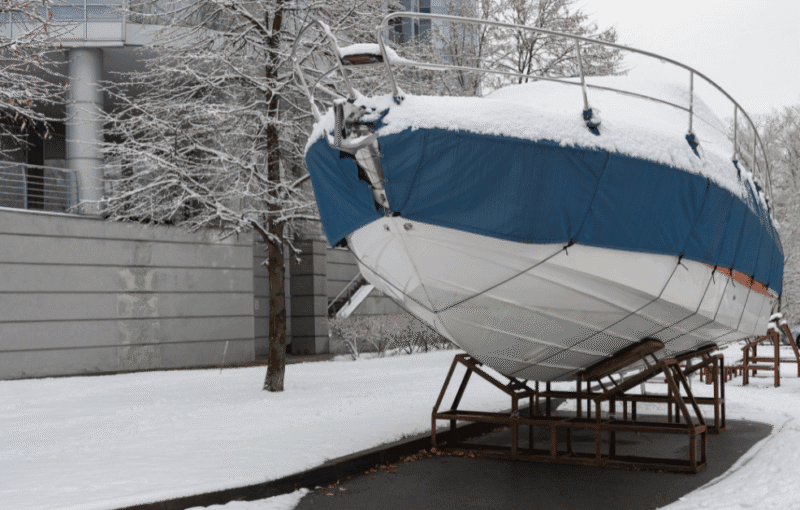
If you’re planning to winterize your dock in Alberta, timely dock removal and careful boat lift winter prep can prevent serious ice damage and costly spring repairs.
Cold weather arrives fast on Alberta lakes. Shoreline ice forms, wind picks up, and water levels shift in a short window. A dock or lift left in place without a proper shutdown often ends up bent, twisted, or buried in ice. A clear pre-winter plan keeps equipment safe, protects your investment, and makes spring launch much easier. This guide walks through timing, removal steps, inspection points, and storage tips for docks and boat lifts on Alberta lakes.
Whether you own a sectional, roll-in, or floating system, the goal stays simple: get everything secure, dry, and ready for next season before deep freeze arrives.
Why Pre-Winter Shutdown Matters in Alberta
Alberta shorelines face freeze and thaw swings, strong wind, and heavy snow loads. Ice expands with surprising force. Once sheets of ice grab posts, frames, and lift components, damage follows.
Common problems linked to poor shutdown:
- Bent dock frames from shifting ice pressure
- Lift cradles twisted out of level
- Broken cables, pulleys, and winch components
- Torn canopies and covers
- Hardware rust from sitting wet under snow
Repair costs often exceed the time and effort needed for a careful November shutdown. Regular winterization extends equipment life and keeps your waterfront safer for years ahead.
When To Remove Your Dock and Lift
For most Alberta lakes, dock removal in Alberta fits best between late October and mid-November. Exact timing depends on your lake, water level, and exposure, so watch local conditions closely instead of only using the calendar.
Key signs that pre-winter work needs to start:
- Night temperatures near or below freezing several days in a row
- Thin ice starting along protected shoreline areas
- Stronger northwest winds pushing waves into your dock line
- Shorter daylight hours reducing safe working time on the water
Once ice reaches posts or lift legs, removal turns difficult and risky. Plan ahead for a calm weekend, a solid forecast, and enough daylight for unhurried work.
Step-By-Step Dock Removal Checklist
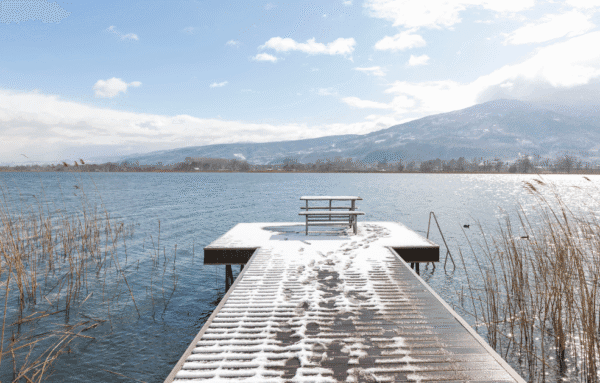
Every dock system differs, although a structured approach keeps work efficient and safe. Always have at least two adults on-site and follow manufacturer guidance for your specific equipment.
Before You Start
- Walk the dock and lift to check for loose boards, damaged fasteners, or tripping hazards
- Gather tools such as wrenches, socket sets, winches, and dollies
- Set up a clear staging area on shore for frames, decking, and hardware
- Wear non-slip footwear and warm layers suitable for cold, wet work
Removing Sectional or Roll-In Docks
- Disconnect power to any dock lighting or lift controls
- Remove accessories first, including ladders, benches, railings, and bumpers
- Lift out decking panels and stack them on level ground with spacers for airflow
- Use wheel kits, pipe rollers, or dollies to bring frames up the shore instead of dragging over rock
- Lay frames flat, supported on blocks, away from snow piles and roof runoff
Hardware And Fasteners
- Place bolts, nuts, and brackets into labelled containers for each dock section
- Store hardware in a dry indoor location to reduce rust
- Make a quick sketch or take photos on your phone before disassembly to guide spring setup
Boat Lift Winter Prep: Protecting Your System
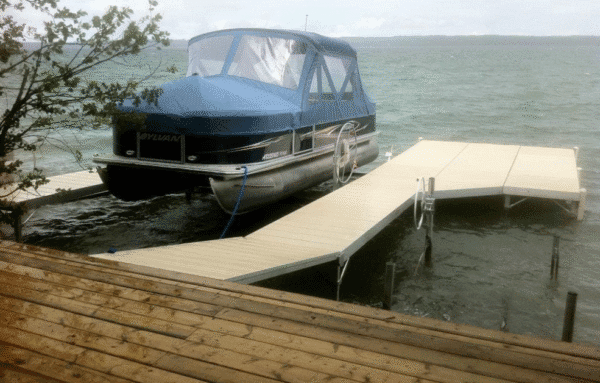
Boat lifts handle heavy loads all summer. A proper shutdown keeps structures straight and ready for launch when ice goes out.
Lift Position and Structure
- Raise the cradle or platform to the highest locked position
- Remove the boat and any support bunks used only for special hull shapes
- Check welds, cross-members, and legs for cracks or bends before winter snow arrives
Cables, Pulleys, And Winches
- Inspect cables for fraying, rust, or flat spots along pulleys
- Apply suitable lubricant to pulleys, winch gears, and pivot points
- Replace worn cables now instead of waiting for spring, when appointment slots fill quickly
Covers, Controls, And Power
- Remove fabric canopies and store them dry, folded loosely rather than tightly rolled
- Disconnect electrical controls and motors, then move them indoors where moisture stays low
- Coil power cords neatly so insulation avoids sharp kinks or strain
For many Alberta owners, partial lift disassembly before freeze reduces stress on legs and frames if heavy shore ice builds around the structure.
Dock Winter Maintenance If Your System Stays In
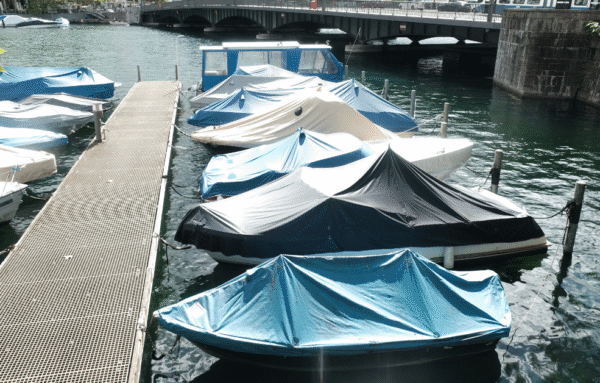
Proper dock winter maintenance is essential for permanent systems left in the lake all season. Some waterfronts use permanent pile docks or heavier commercial structures designed to remain in the lake year-round. Pre-winter shutdown still matters for these systems.
Key actions for fixed or semi-permanent setups:
- Remove loose furnishings, ladders, and additional railings
- Tighten bolts and connectors along the main frame
- Check anchoring points along shore for erosion or movement
- Install bubblers or de-icers in problem zones where ice pressure normally builds
- Review any electrical components for proper sealing and code compliance
Even with permanent structures, reducing surface area in contact with ice and snow lowers the risk of damage during chinook warm-ups and sudden refreeze periods common in Alberta.
Store And Label Parts for An Easy Spring Start
Good storage shortens your spring checklist and keeps small parts from disappearing into snowbanks or gravel.
Smart storage habits:
- Rinse decking panels and frames with clean water to remove algae and sediment before storage
- Let components dry fully, then stack them on sleepers, pallets, or rack systems off bare soil
- Group gear by location on the dock line, for example “swim platform,” “main walkway,” or “shore ramp”
- Label bundled posts and frames with waterproof tags or spray paint
- Keep winches, controls, and all hardware in a labelled bin indoors
A few minutes spent on photos and labels in November avoids guesswork when docks head back into the water on the first warm spring weekend.
Get Help from Beachside Docks Before the Freeze
A dock and boat lift winter prep plan is essential when you winterize your dock in Alberta, especially with such a narrow weather window before freeze-up.
Beachside Docks supplies sectional, roll-in, and floating systems designed for Alberta lakes, along with Porta-Dock lifts, accessories, and service support. If you need advice on winterizing your current setup, planning an upgrade, or arranging professional removal, reach out before sustained freezing temperatures arrive.
Visit Beachside Docks online or contact the team directly to schedule pre-winter dock and boat lift support so your waterfront stays protected all season and ready for a smooth start next spring.